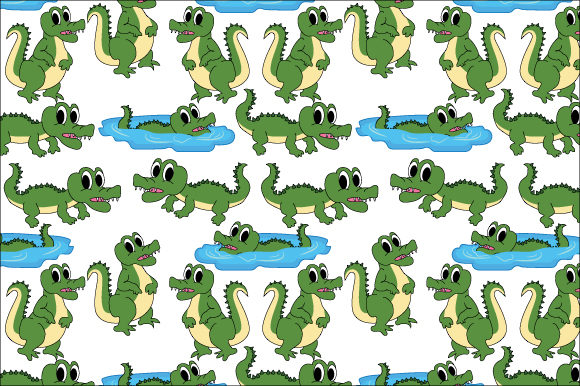
Crocodile Pattern Graphics: A Designer's Review
I recently sat down to evaluate a new graphic design asset for a local boutique skincare brand I am currently consulting with. The client needed something that felt organic yet sophisticated, suitable for their handmade soap line and natural candle collection. That is when I discovered the Crocodile Pattern. At first glance, this isn't just a decorative texture; it is a powerful visual tool that can elevate a small business from looking amateurish to appearing premium and established. As an experienced brand designer, I know that the right patterns and graphics do more than fill space—they tell a story, create emotional connections, and drive customer trust.
The First Impression: Mood and Brand Personality
When you open the file for the Crocodile Pattern, the immediate feeling is one of structured elegance mixed with a touch of wild nature. It suggests a brand personality that is bold, confident, and grounded. Unlike generic floral or geometric designs often found in creative marketplaces, this asset carries a unique character that works exceptionally well for businesses wanting to stand out on crowded shelves. It feels both modern and timeless, making it versatile enough for a rustic bakery or a sleek home decor shop.
This pattern creates a mood of exclusivity. It implies that the product inside is crafted with care and attention to detail. For a local business owner, this translates to a perception of higher value. Whether you are selling artisanal food labels, boutique clothing tags, or seasonal campaign visuals, the Crocodile Pattern adds a layer of sophistication that immediately catches the eye. It is not overly loud, but it is distinct enough to ensure your brand identity remains memorable in the consumer's mind.
Real-World Applications for Local Businesses
In my experience working with various clients, from coffee shops to handmade sellers, the versatility of this asset is its greatest strength. Here is how I see the Crocodile Pattern fitting into real local business projects:
- Product Packaging Design: Imagine wrapping a bar of handmade soap or a jar of specialty honey. Using this pattern as a background for the label creates an instant visual hierarchy, drawing attention to the product name while providing a rich texture that feels tactile even through sight.
- Hang Tags and Thank-You Cards: Small businesses thrive on personal touches. Adding the Crocodile Pattern to thank-you cards or hang tags elevates the unboxing experience. It signals to the customer that the brand cares about presentation, fostering a stronger emotional connection.
- Social Media Graphics: In the digital realm, consistency is key. This asset works beautifully as a hero graphic for Instagram posts or as a subtle overlay on promotional ads. It helps maintain a cohesive brand identity across all marketing visuals, ensuring your feed looks professional and polished.
- Menu Graphics and Flyers: For food businesses or cafes, incorporating this pattern into menu borders or flyer backgrounds can make price lists and specials look more inviting and less cluttered.
- Website Banners and Web Design: When updating a website, using the Crocodile Pattern in section dividers or as a backdrop for product mockups can add depth without overwhelming the user interface.
Where This Asset Shines
The Crocodile Pattern excels in areas where decoration needs to support the message rather than compete with it. It is particularly effective for product labels where a strong first impression is necessary. If you are launching a new line of candles or a children's product brand, this pattern provides a decorative brand element that feels intentional and curated.
It also serves as an excellent accent for seasonal packaging. During holidays or special campaigns, you can use the pattern to create festive yet elegant visuals that align with your brand's core identity. For boutique owners, using this asset in window displays or in-store signage can enhance shelf appeal, making products pop against competitors who may be using plain white or simple solid colors.
Strategic Caution: Where to Use Carefully
While the Crocodile Pattern is versatile, a good designer knows that context matters. There are specific scenarios where this asset should be used with caution. For formal corporate branding, especially in industries like finance or law, the texture might feel too casual or distracting. Similarly, if you are designing very small labels where legibility is paramount, the pattern could reduce readability if the contrast is not managed correctly.
Avoid placing this pattern over ingredient-heavy layouts or legal information areas. The visual noise can make critical text hard to scan. Additionally, luxury minimalist brands that rely on negative space and stark typography might find the pattern too busy. In these cases, it is better to use the pattern sparingly, perhaps as a subtle border or a background for a single product image, rather than covering the entire surface.
Practical Notes from the Design Desk
Before integrating the Crocodile Pattern into your commercial design project, there are several technical steps every professional takes. First, always test the asset on real packaging mockups. Seeing the pattern in 3D form reveals how it interacts with lighting and material texture, which flat screens cannot show.
Check the black and white usage carefully. A good design asset must work in monochrome for faxing, embossing, or cost-effective printing methods. Preview the pattern on small labels to ensure the details remain crisp and do not blur. Test it with your specific brand colors to confirm harmony; sometimes a pattern that looks great on screen clashes with specific ink shades.
Compare your design with competitor packaging. Does the Crocodile Pattern help you differentiate your brand, or does it blend in? Check the print quality by zooming in to inspect the edges. Since the ZIP file contains – SVG 1.1 format – Ai 10 format – EPS 10 format, you have incredible flexibility. Inspect the vector editability to resize the pattern without losing resolution. Review PNG transparency if you need to layer it over photos.
Finally, experiment with typography. Place the pattern beside serif fonts for a classic look, sans-serif fonts for a modern edge, script fonts for a feminine touch, or handwritten fonts for a friendly vibe. Confirm your commercial license before using it for client work, physical product sales, or any business branding initiative. Ensuring you have the right permissions protects your local business from future legal complications.
Conclusion for Creative Entrepreneurs
The Crocodile Pattern is more than just a download; it is a strategic component for building a robust brand identity. Whether you are a social media manager looking to refresh your content calendar or a packaging designer seeking a unique texture for a product launch, this asset offers the polish and professionalism that small businesses crave. By understanding where to apply it and how to balance it with typography and color, you can create marketing visuals that not only look great but also drive recognition and trust among your customers.