Driver Driving Vintage Race Car: A Designer's Stitch Test
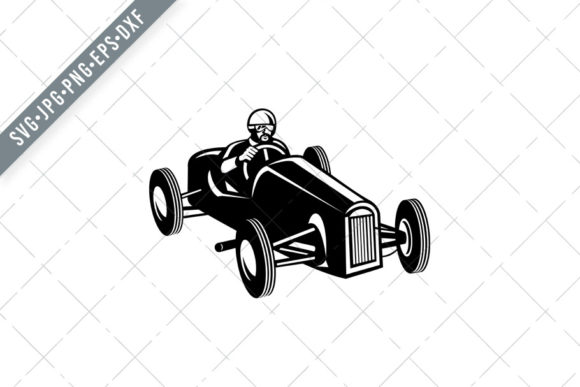
When I first opened the file for Driver Driving Vintage Race Car, my initial reaction was one of genuine excitement. As someone who spends hours evaluating digital assets before committing them to fabric, I look for more than just a pretty picture; I need to know if a design can survive the rigors of real-world embroidery. This retro style illustration of a racing driver driving vintage race car viewed on high angle on isolated white background black and white style immediately stood out because it possesses a clean, graphic quality that translates exceptionally well into thread.
The mood is unmistakable: nostalgic, energetic, and timeless. The high-angle perspective gives the image a dynamic feel, as if we are looking down upon the track from a grandstand or a drone. For an embroidery designer, this specific viewpoint is a gift. It simplifies the complex curves of a vehicle into shapes that stitch cleanly without losing their character. Unlike modern, hyper-detailed vector art that often turns into a muddy mess when stitched, this black and white style relies on bold outlines and negative space, which is exactly what makes for a durable and professional-looking finished product.
From Screen to Fabric: The Real-World Scenario
Let's imagine a practical scenario where I am preparing for a busy weekend at a local craft fair. My goal is to create a cohesive line of merchandise for a client who specializes in automotive-themed gifts. They want something unique for their booth—something that appeals to both die-hard racing fans and casual buyers looking for a stylish accessory. Most vendors would offer generic logos or simple text designs, but I knew Driver Driving Vintage Race Car could elevate their brand.
I decided to test this design on a heavy-duty canvas tote bag. Why a tote? Because it is a staple item for Etsy sellers and small shop owners, and it requires a design that can handle daily wear and tear. When I laid the SVG file over the fabric mockup, the composition felt balanced. The isolation on a white background meant there were no distracting elements, allowing the driver and the vintage car to take center stage. The visual personality of the design screams "retro chic," making it perfect for a boutique product that targets customers who appreciate vintage aesthetics.
In this context, the design does not just sit on the bag; it becomes part of the story. A customer picking up a tote featuring this illustration instantly associates it with passion, history, and craftsmanship. For a handmade shop owner, this level of detail in the design phase translates directly to higher perceived value in the finished product. It moves the item from being a generic promotional giveaway to a collectible piece of art.
Performance Across Different Embroidery Projects
The versatility of this embroidery file extends far beyond tote bags. I have evaluated its potential across several categories, and the results are consistently strong. For custom apparel like sweatshirts and t-shirts, the black and white style offers incredible flexibility. Since the design is monochromatic, it can be executed in any thread color palette that matches your brand guidelines. Whether you choose classic navy blue on grey or vibrant red on white, the clarity of the lines ensures the driver remains recognizable regardless of the color choice.
Baby clothing presents another excellent use case. The rounded, friendly nature of the vintage car makes it safe and appealing for nursery decor or baby onesies. However, when working on baby items, stitch density is critical. This design avoids excessive fill stitches, which means it will remain soft against a baby's delicate skin—a crucial factor for parents buying personalized gifts. Similarly, for holiday embroidery projects, such as creating festive aprons or kitchen towels, this graphic serves as a fun, non-seasonal motif that fits perfectly into a "garage sale" or "workshop" themed Christmas gift.
For commercial embroidery projects involving embroidered patches, the high contrast of the illustration works wonders. Patches require distinct edges to prevent fraying and maintain shape, and the bold outlines of Driver Driving Vintage Race Car provide that necessary definition. It creates a crisp silhouette that looks professional even on curved surfaces like caps or hats, provided the curvature isn't extreme. For digital product sellers, this design is also a goldmine for printable mockups. You can easily overlay the design onto images of hoodies, pillows, or banners to showcase your services to potential clients without needing to physically produce every single sample.
Navigating Technical Challenges
While the design is robust, an experienced designer knows that no asset is perfect for every situation. There are specific scenarios where Driver Driving Vintage Race Car requires careful handling. Small hoop sizes are the primary limitation here. If you attempt to stitch this on a very small patch or a tiny baby bib, the fine details of the driver's helmet or the intricate spokes of the wheels may become indistinguishable. In these cases, the running stitch might break up, and the satin stitch could lose its smoothness.
Fabric texture plays a significant role as well. On highly textured fabrics like bouclé or thick wool, the design might get lost in the weave. Thin or stretchy fabrics present another challenge; without proper stabilizer support, the tension required to pull the threads tight could cause the fabric to pucker around the detailed areas of the car. Dark fabrics are not inherently problematic since the design is black and white, but you must ensure the thread color provides enough contrast against the dark background to maintain visibility.
Furthermore, products that need frequent washing, such as work aprons or children's clothes, demand attention to stitch density. While this design is generally efficient, dense stitch areas can trap dirt and grime over time. If you plan to sell these items commercially, you must confirm that the stitching is secure enough to withstand industrial laundering cycles. Always inspect small details closely after stitching to ensure that the high-angle view hasn't resulted in any awkward distortions due to fabric distortion during the hooping process.
Practical Notes for the Modern Maker
If you are considering adding this design to your portfolio of design assets, here is my professional advice based on field testing. First, always test the design on scrap fabric before cutting into your final material. This step is non-negotiable for anyone running a craft business or selling on platforms like Etsy. It allows you to check thread color contrast and review stitch density in real-time.
Confirming the correct hoop size is essential. Do not assume the design will fit a standard 4x4 inch hoop if the original artwork suggests a larger area. Check the dimensions of the Driver Driving Vintage Race Car file to ensure it aligns with your machine's capabilities. Inspect the small details, particularly the driver's facial features and the car's grille, to see if they hold up under magnification. If the details are too fine, consider simplifying the design or increasing the scale slightly.
Testing the design in black and white mockups is a smart move for digital previews, as it mimics the final stitched appearance. Compare how the design looks on light versus dark fabric backgrounds to determine which thread colors yield the best engagement. Use a proper stabilizer appropriate for your fabric type to prevent shifting and puckering. Finally, verify whether the design works for both personal and commercial projects by reviewing the license terms. If you intend to sell finished items or digital products, understanding the licensing is vital to avoid legal issues.
In conclusion, Driver Driving Vintage Race Car is a standout piece of Illustrations that bridges the gap between retro nostalgia and modern embroidery technology. It offers a blend of artistic flair and technical reliability that makes it ideal for everything from personalized gifts to boutique branding. By approaching this design with a critical eye and following practical testing protocols, you can transform a simple digital graphic into a high-value, handcrafted masterpiece that resonates with customers and elevates your creative output.