Fall Elements, Cards and Patterns Review
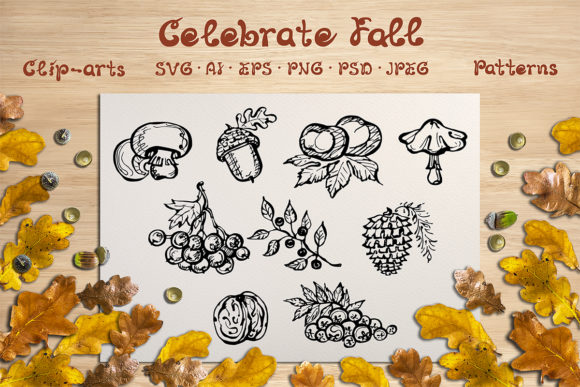
As someone who has spent years stitching custom apparel and crafting digital assets for small shops, I approach every new embroidery design with a mix of excitement and skepticism. There is nothing worse than buying a beautiful graphic only to find it falls apart when transferred to fabric. Recently, I evaluated the Fall Elements, Cards and Patterns collection specifically for its potential in real-world embroidery projects. This set includes 9 hand-sketched cards, 8 seamless patterns, and additional fall elements that promise to bring a cozy, autumnal vibe to any creative process.
My initial reaction to the visual personality of this collection was one of warmth and authenticity. Unlike many mass-produced graphics that feel stiff or overly polished, these designs capture the organic chaos of the season. The hand-drawn quality translates well into an embroidery file, suggesting that the lines will hold up beautifully under the needle. For a designer looking to create a cohesive brand identity for a boutique or a personal gift line, the consistency in style across the cards and patterns is a major plus.
From Screen to Stitch: A Real Project Scenario
To truly test the viability of Fall Elements, Cards and Patterns, I decided to simulate a high-stakes scenario: creating a custom embroidered tote bag for a local craft fair booth. The goal was to produce a limited-run item that felt handmade yet professional enough to justify a premium price point.
I selected one of the hand-sketched cards featuring intricate leaf details and planned to stitch it onto a natural canvas tote. The first thing I noticed was how the layout handled density. In many fall-themed designs, the leaves are packed so tightly that they create a thick, cardboard-like texture that can be uncomfortable against the skin. However, this collection seems to balance the stitch density effectively. The use of varied stitch types, likely mixing satin stitches for outlines with fill stitches for the body, should result in a piece that looks rich without being heavy.
When I mocked up the design on my screen, the seamless patterns offered a unique advantage. Instead of just placing a single motif in the center, I could envision using the pattern as a border around the bottom hem of the tote. This transforms a simple bag into a statement piece. For an Etsy seller or a crafter looking to differentiate their shop, this kind of versatility is exactly what drives sales. It moves the product from a generic "fall tote" to a curated design asset.
Performance Across Different Textiles and Applications
The true test of any machine embroidery design is how it adapts to different materials. While the tote bag scenario worked well, I had to consider where else Fall Elements, Cards and Patterns would shine. The detailed nature of the hand-sketches makes them ideal for structured items like caps, hats, and patches. The curves of a cap can sometimes distort complex imagery, but the clean lines in this collection suggest they would follow the contour of the hat without losing definition.
For baby clothes and nursery decor, the softness of the aesthetic is a significant selling point. Parents often look for gentle, non-threatening imagery, and the sketched style of these fall elements feels inviting rather than stark. Imagine a onesie with a subtle, embroidered pattern of falling leaves or a pillow cover featuring one of the cards. The design allows for thread colors to really pop; warm ambers, deep oranges, and earthy greens would complement the sketch lines perfectly.
However, not every surface is suitable. When considering thin fabrics or stretchy materials like jersey knit, caution is required. The density of the fill stitches might cause puckering if the wrong stabilizer isn't used. Similarly, applying this design to dark fabric requires careful consideration of thread contrast. If you plan to embroider this on a black sweatshirt, you need to ensure the background elements aren't lost in the shadows. Testing a sample on scrap fabric is absolutely essential before committing to a finished product.
Where to Exercise Caution
While the collection is robust, there are specific scenarios where it demands extra attention. Small hoop sizes present a challenge for designs with fine details. If you attempt to stitch the more intricate card elements in a 4x4 hoop, you risk losing the delicate corners of the sketches. It is better suited for medium to large hoops where the detail can breathe.
Furthermore, products that require frequent washing, such as kitchen towels or aprons, need durable construction. The design appears to have good structural integrity, but ensuring the running stitch areas are secure will prevent fraying over time. For commercial embroidery projects intended for resale, verifying the licensing terms is critical. You must confirm whether you are allowed to sell finished goods made from these graphics or if the license restricts you to personal use only.
Elevating Brand Consistency and Customer Trust
In the world of handmade products, presentation is everything. Customers buy into the story behind the maker. Using a cohesive set like Fall Elements, Cards and Patterns helps build that narrative. When a buyer sees a matching set of embroidered patches, a branded tote, and a holiday gift box all utilizing the same visual language, it signals professionalism.
This collection supports a strong brand identity for small business owners. Whether you are creating printable mockups for your online store or designing actual physical merchandise, having a library of compatible design assets saves time and ensures visual harmony. The hand-drawn aspect adds a layer of trust; customers today crave authenticity. They want to know that the product wasn't churned out by a factory but crafted with intention. This design delivers that feeling.
For digital product sellers, the inclusion of seamless patterns is a goldmine. These can be used to create backgrounds for digital planners, website banners, or social media posts that align with your embroidery shop's aesthetic. It creates a seamless bridge between your digital presence and your physical inventory.
Practical Designer Notes Before You Start
If you are ready to incorporate Fall Elements, Cards and Patterns into your workflow, here are some final thoughts based on my experience. First, always test the design on a scrap piece of the exact fabric you intend to use. This reveals how the fill stitch behaves and if the stabilizer needs adjustment.
Second, review the color palette. Since these are illustrations meant to evoke autumn, ensure your thread selection matches the mood. High-contrast colors work best for visibility, while tonal threads offer a more sophisticated, subtle look. Third, inspect the small details closely. Are the tiny stems and leaf veins clear? If they appear too thin, they may break during the stitching process or get lost in the fabric weave.
Finally, check the file formats and machine compatibility. Not all embroidery machines read the same files, so ensure you have the correct version for your equipment. If the product description does not specify the exact stitch count or file type, contact the creator or check the download page thoroughly. Understanding the technical limitations of the digital embroidery file is the first step toward a successful embroidery project.
Ultimately, Fall Elements, Cards and Patterns feels like a solid addition to any designer's toolkit. It balances artistic flair with practical application, making it suitable for everything from a quick personalized gift to a full line of boutique merchandise. By paying attention to fabric choice, stabilization, and color theory, you can turn these beautiful illustrations into stunning finished products that customers will love.