Bunny Patterns glyph - 4: A Designer's Real-World Embroidery Review
As someone who has spent years stitching custom apparel, designing boutique products, and reviewing digital assets for fellow creators, I know that the difference between a good design and a great one often comes down to practical execution. When I first encountered Bunny Patterns glyph - 4, my initial reaction was one of curiosity rather than immediate excitement. It is not flashy, nor does it scream for attention with complex gradients or overwhelming detail. Instead, it offers something far more valuable in the world of handmade goods: clean lines, a distinct mood, and a layout that feels ready for real-world application.
This review is not about speculating on stitch counts or machine compatibility that isn't explicitly stated. It is about how this specific design asset performs when moved from a computer screen to a hoop, onto fabric, and eventually into the hands of a customer. Whether you are an Etsy seller looking to refresh your shop inventory or a hobbyist preparing a personalized gift, understanding the visual personality of Bunny Patterns glyph - 4 is crucial before you commit to production.
The First Impression: Mood and Visual Personality
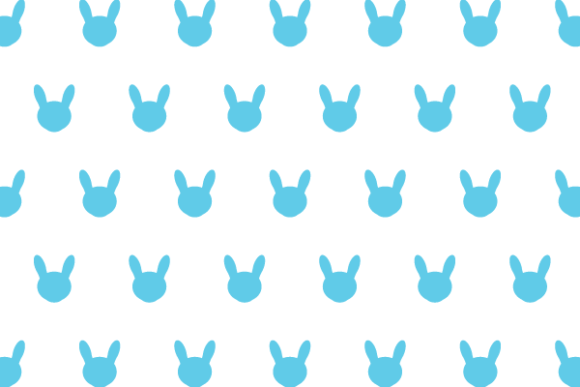
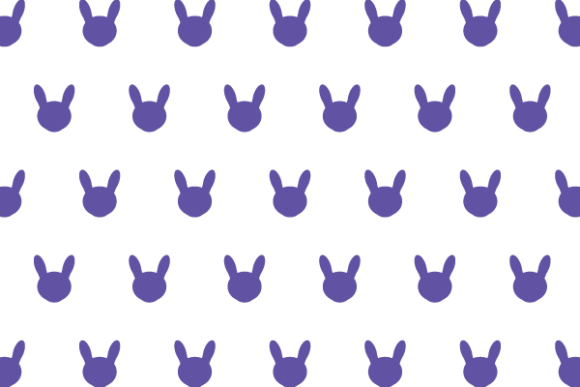
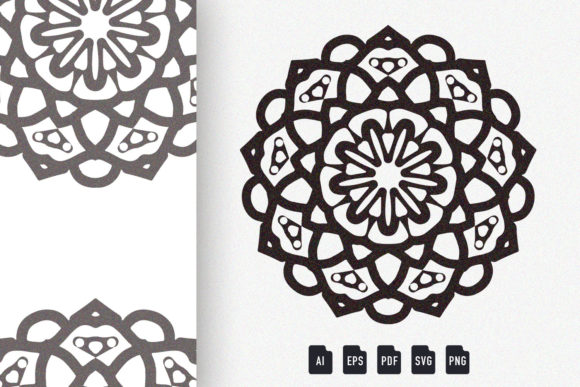
The moment you open the zip file containing Bunny Patterns glyph - 4, the separation of files into high-resolution PNG, SVG, and EPS 10 formats signals a level of professionalism that many designers appreciate. However, the true test lies in the illustration itself. The design exudes a soft, whimsical charm that leans heavily towards the "cottagecore" aesthetic currently dominating the craft market. It feels organic and approachable, avoiding the stiff, overly geometric look that can plague some vector-based embroidery files.
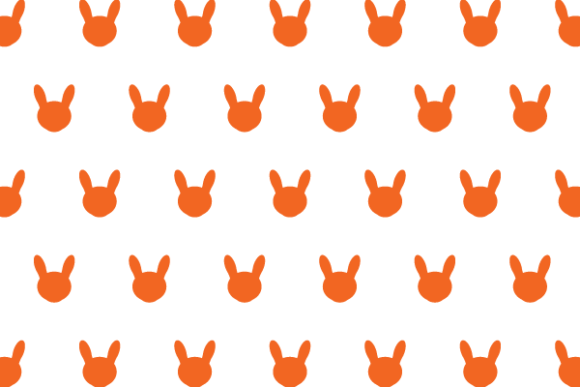
In terms of layout, the design appears balanced without being rigid. For a designer, this balance is key because it allows for versatility. The shapes within the pattern suggest a natural flow that translates well into different stitch types. You can imagine this working beautifully as a focal point on a tote bag or as a subtle accent on a baby onesie. The lack of watermarks on the downloaded illustrations means you get a clear view of the negative space, which is essential for planning thread color contrast later on.
Real-Life Application: From Screen to Stitch
To truly evaluate Bunny Patterns glyph - 4, we must look at it through the lens of a specific project. Let's say I am preparing a collection of holiday gifts for a local boutique. My goal is to create a line of embroidered kitchen towels and aprons featuring seasonal motifs. This is where the design's potential becomes apparent.
When I visualize Bunny Patterns glyph - 4 stitched onto a heavy cotton canvas towel, the design holds its own. The clean edges of the SVG and EPS 10 files ensure that the satin stitch will follow the contours smoothly, creating a crisp finish that looks professional rather than messy. Unlike designs that rely on tiny dots or intricate cross-hatching, this pattern relies on solid forms. This makes it ideal for machine embroidery design applications where clarity is paramount. Customers buying handmade goods want to see that the stitching is intentional and precise, and this design supports that perception.
I also considered using this design for a line of custom sweatshirts. The "glyph" nature of the title suggests a stylized, almost icon-like quality. On a thick fleece fabric, this style works exceptionally well because it doesn't require the extreme density that might cause puckering. The design feels like it belongs in a cozy, rustic setting, making it perfect for holiday embroidery projects or spring-themed collections. It adds a touch of playfulness without feeling childish, which is a delicate balance for adult-oriented merchandise.
Navigating Challenges: Where Caution is Required
While Bunny Patterns glyph - 4 is versatile, no single design is a universal solution. As an experienced reviewer, I need to highlight where this design might face challenges in a real production environment. If you plan to use this for small hoop sizes, such as those used for caps or wrist cuffs, you must carefully inspect the internal details. While the main shapes are likely robust, any fine lines connecting elements could become difficult to stitch cleanly if the area is too compressed.
Fabric texture plays a massive role here. On highly textured fabrics like chunky bouclé or loose-weave linen, the definition of the design might get lost. The smooth curves of the bunny motif might struggle to stand out against a rough surface, potentially resulting in a muddy appearance once the fill stitch is applied. Similarly, on stretchy knits like jersey t-shirts, the stability of the design depends entirely on your choice of stabilizer. Without proper backing, the tension required to stitch the clean lines of Bunny Patterns glyph - 4 could distort the fabric, ruining the finished product.
Another critical consideration is dark fabric. If you intend to embroider this design on black or navy garments, the thread colors you choose will determine the success of the piece. Light-colored threads might not pop enough against a dark background, while dark threads could disappear entirely. You may need to add a layer of underlay or even a contrasting outline to ensure the design remains visible. This is especially important for embroidered patch applications where the design needs to be legible from a distance.
Impact on Product Value and Brand Consistency
The way a design stitches directly influences customer trust. In the world of Etsy sellers and small shop products, presentation is everything. A design that stitches poorly—looking lumpy, misaligned, or fuzzy—can undermine the perceived value of the entire item. Bunny Patterns glyph - 4, with its clean vector origins, offers a strong foundation for a professional look. When executed correctly, it elevates a simple tote bag or pillow cover into a premium handmade product.
Furthermore, the simplicity of the design aids in brand consistency. Because it is not overly ornate, it can be repeated across various items—a coffee mug sleeve, a notebook cover, a greeting card—without losing its identity. This cohesion is vital for commercial embroidery businesses looking to build a recognizable aesthetic. Customers respond to brands that feel curated and thoughtful, and a well-executed digital embroidery file like this one contributes significantly to that narrative.
Practical Notes for the Designer
Before you rush to load this design into your machine, there are several steps every serious creator should take. First and foremost, always test the design on scrap fabric. This is non-negotiable. You need to verify how the stitch density interacts with your specific needle and thread combination. Check if the running stitch areas are dense enough to hold their shape or if they risk fraying over time.
Review the file formats again. Since you have access to SVG and EPS 10, you have the flexibility to resize and adjust the design in vector software before converting it to your machine's native format. This is a powerful advantage. Use these tools to check the design in black and white mockups to ensure the contrast works before committing to expensive threads. Also, confirm the licensing terms explicitly. While the description mentions no watermarks, you must verify whether the license allows for commercial use of the finished physical items, especially if you plan to sell them as part of a craft business inventory.
Finally, consider the end-user experience. Will this design withstand frequent washing? Designs with large areas of satin stitch on the edge of a garment can sometimes snag. Ensure that the design placement accounts for wear and tear. By taking these precautions, you transform Bunny Patterns glyph - 4 from a simple graphic into a reliable asset for your creative portfolio.
In conclusion, Bunny Patterns glyph - 4 is a solid choice for designers seeking a versatile, charming motif that bridges the gap between digital art and tactile craftsmanship. It requires skillful execution to reach its full potential, but when paired with the right fabric and stabilizer, it delivers a finished product that customers will love and cherish.