Minimalist Line Patterns: A Designer's Real-World Embroidery Review
As a designer who spends more time behind the embroidery machine than in front of a computer, I am constantly on the hunt for digital assets that bridge the gap between screen and fabric. Minimalist Line Patterns caught my eye not because of flashy colors or complex imagery, but because of its restraint. In a market saturated with intricate florals and heavy fill stitches, this pattern offers a breath of fresh air. It is a design built on the fundamental shape of the line, evolving into several distinct variations that feel both modern and timeless.
Before diving into a full production run, I treated this as a practical test case for a small business client project. The goal was to create a cohesive line of custom tote bags and aprons for a local boutique coffee shop. The challenge was finding a motif that looked professional without overwhelming the fabric or clashing with the existing branding. This is where the true value of Minimalist Line Patterns reveals itself.
The First Impression: Mood and Visual Personality
When you first load the embroidery file, the immediate feeling is one of clarity. There is no visual noise here. The design relies heavily on running stitch and satin stitch techniques to create clean, uninterrupted lines. This simplicity creates a mood that is calm, organized, and sophisticated. It feels like a design that belongs in a curated space—a nursery, a high-end kitchen, or a minimalist wardrobe.
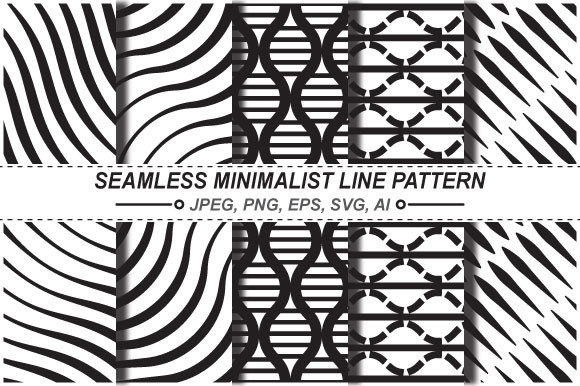
The variation within the pattern is subtle but effective. Instead of repeating a single rigid motif, the lines flow and intersect in ways that suggest movement without chaos. For an Etsy seller or a craft business owner, this versatility is gold. It allows you to use the same design asset across different products while maintaining a unique look for each item. Whether applied to a sweatshirt embroidery project or a delicate baby onesie, the visual personality remains consistent: understated elegance.
Real-World Application: From Screen to Stitch
I took the Minimalist Line Patterns design directly to the hoop to see how it performed on actual fabric. My first test was on a heavyweight canvas tote bag. The clean lines cut through the rough texture of the canvas beautifully. Because the design does not rely on dense fill areas, it avoids the "plastic" look that often happens when heavy stitching is placed on thick materials. The result was crisp, with the thread lying flat and the lines retaining their intended geometry.
Next, I moved to a softer surface: a cotton pillow cover intended for a home decor collection. Here, the design shone even brighter. The thin lines added a touch of architectural interest to a plain background without making the piece feel stiff. It proved that Patterns and Graphics do not need to be bold to make a statement; sometimes, the quietest designs are the most memorable.
This approach also translates well to personalized gifts. Imagine a custom embroidered patch featuring these lines for a corporate retreat, or a set of holiday towels where the pattern serves as a border. The design's ability to adapt to different contexts makes it a reliable choice for commercial embroidery projects where consistency is key. It elevates the perceived value of the finished product, signaling to the buyer that attention to detail matters.
Where Minimalist Line Patterns Shines
- Custom Apparel: Perfect for chest logos on t-shirts or back prints on hoodies where a large graphic might be too much.
- Baby Items: The gentle lines are ideal for baby embroidery on blankets and bibs, offering a safe, non-overwhelming aesthetic.
- Home Decor: Works exceptionally well on tea towels, aprons, and pillow covers where a clean, modern look is desired.
- Small Shop Products: Great for creating branded merchandise that looks professional without requiring expensive materials.
Caution Zones: When to Think Twice
While I found this design highly versatile, no single machine embroidery design is a universal solution. There are specific scenarios where Minimalist Line Patterns requires careful consideration to ensure a successful outcome.
If you are working with a very small hoop size, such as those used for caps or hat brims, you must check the dimensions carefully. While the lines are simple, if the design is scaled down too far, the spacing between the strokes may disappear during stitching, causing the lines to merge into a solid blob. Always review the design at 100% scale before hooping.
Fabric texture is another critical factor. On highly textured fabrics like bouclé or thick fleece, the fine lines of this pattern can get lost. The thread needs a smooth surface to lay flat and define the shape clearly. Similarly, stretchy knits require extra stabilization. If the stabilizer is insufficient, the tension from the running stitch can cause the fabric to pucker, distorting the geometric integrity of the lines.
Dense stitch areas should also be avoided if you plan to wash the item frequently. Although this design is not overly dense, any area where lines cross closely can become weak points if not anchored properly. For items like kitchen towels or work aprons that will undergo constant laundering, ensure you use a tear-away or cut-away stabilizer that provides enough support to maintain the shape over time.
Design Notes for the Practical Maker
Before you commit to using Minimalist Line Patterns in your next handmade product launch, there are a few technical steps every designer should take. First, always test the design on scrap fabric. This is non-negotiable. You need to see how the thread colors interact with your specific material. A black line on white fabric looks different than a silver thread on navy blue.
Check your thread color contrast. Since the design relies entirely on lines, low contrast can make the pattern invisible. Conversely, too much contrast can make it look harsh depending on the intended vibe. I recommend testing in black and white mockups first to ensure the composition holds up without the distraction of color.
Confirm your hoop size and stitch density settings. If the design instructions are vague regarding the recommended hoop size, err on the side of caution and start with a slightly larger frame to allow for easy maneuvering. Inspect the small details of the pattern after stitching; sometimes, tiny corners can break apart if the stitch density is too high for the thread weight being used.
Finally, verify the licensing terms. Many digital embroidery files come with restrictions on commercial use. If you are planning to sell finished items like tote bag designs or holiday embroidery pieces, ensure you have the right to do so. Some licenses allow for unlimited sales, while others limit the number of units produced. Clarifying this before you start prevents legal headaches later.
Final Thoughts on Value and Trust
In the world of handmade goods, trust is built on quality. A sloppy stitch job can ruin a great idea, but a clean, well-executed design builds confidence in your brand. Minimalist Line Patterns offers a level of professionalism that helps elevate your portfolio. It shows that you understand the balance between design and execution.
Whether you are a seasoned embroidery designer looking to expand your catalog or a hobbyist wanting to create a special personalized gift, this pattern delivers. It respects the medium of embroidery by focusing on what the needle does best: creating precise, linear beauty. By taking the time to test and prepare, you can turn a simple line into a standout feature of your next finished product.
Ultimately, the success of this design comes down to how you choose to use it. With the right fabric, stabilizer, and care, Minimalist Line Patterns can become a staple in your creative arsenal, proving that sometimes less really is more.