Bunny Patterns glyph - 8: A Designer's Real-World Embroidery Review
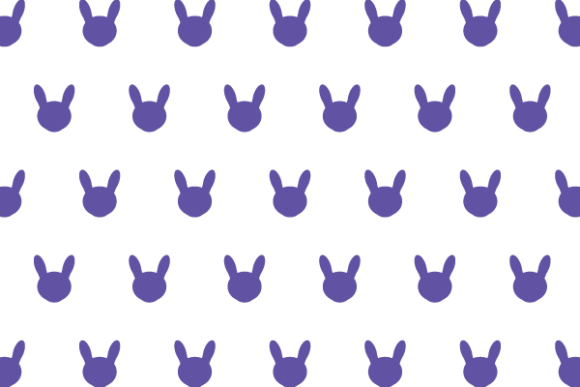
When I first opened the folder for Bunny Patterns glyph - 8, my initial reaction wasn't about the file formats or the resolution, but rather the quiet personality of the illustration itself. As a designer who spends hours evaluating digital assets for physical production, I look for more than just a cute image; I need to know how it translates from a screen to a needle and thread. This specific design immediately struck me as versatile enough for a high-end boutique nursery item yet simple enough for a quick custom tote bag project. It feels like a design that belongs in a curated collection rather than a generic stock library.
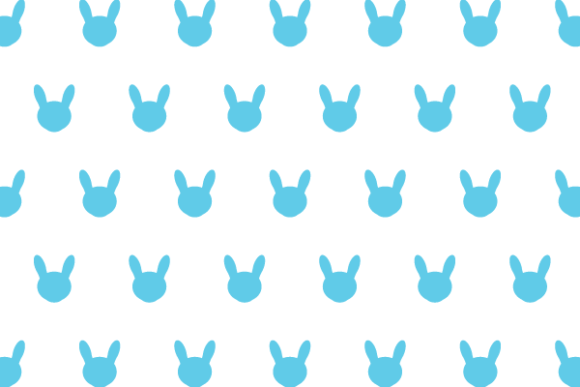
The visual mood is soft, whimsical, and incredibly approachable. Unlike some intricate glyph designs that can feel cluttered when digitized, this one maintains a clean silhouette that promises clarity once stitched. The shape suggests a gentle narrative, perfect for storytelling through fabric. Whether you are an Etsy seller looking to expand your handmade product line or a small business owner creating branded merchandise, Bunny Patterns glyph - 8 offers a professional aesthetic without demanding an impossible level of stitching precision. It is the kind of graphic that invites customers to touch the finished product because it looks so invitingly tactile.
From Digital File to Finished Product
Let's talk about the real-world application. I recently considered using this asset for a custom embroidered sweatshirt project intended for a local craft fair. My goal was to create a limited run of holiday gifts where the design needed to stand out against a heather grey fabric. When I simulated the placement on the chest area, the proportions felt balanced. The layout of the glyph allows for a focal point that doesn't overwhelm the garment, making it suitable for both adult apparel and smaller baby items.
In scenarios involving tote bag designs or kitchen towels, the clean lines of this pattern translate exceptionally well. Because the design is separated into individual illustrations within the zip file, I could easily isolate specific elements if I wanted to create a repeating border pattern or use a single motif as a decorative accent on a pocket. The fact that these come as high-resolution PNG, SVG, and EPS 10 files means I can scale them up for large sweatshirt embroidery projects without losing edge definition, or shrink them down for a tiny embroidered patch without pixelation issues.
For those selling digital embroidery files or creating printable mockups, the lack of watermarks is a significant advantage. You can present a polished preview of the finished product directly to clients, ensuring they see exactly what their personalized gift will look like. This transparency builds trust with buyers and reduces the back-and-forth communication often required when showing off custom work.
Navigating Fabric Challenges and Hoop Constraints
While the design has strong potential, no single asset is perfect for every situation. As an experienced reviewer, I must highlight where Bunny Patterns glyph - 8 might require extra caution. If you plan to use this on a curved surface like a baseball cap, you will need to carefully evaluate the curvature of the glyph. While the shapes are generally open, tight curves can sometimes distort when pulled over a hoop, especially if the stitch density is high.
Texture plays a crucial role in how this design reads. On a smooth, tightly woven cotton twill, the running stitch and satin stitch elements will likely appear crisp and defined. However, on a heavily textured fabric like a chunky knit or a fuzzy fleece, the finer details of the glyph might get lost in the nap of the material. In such cases, the design might benefit from a slightly larger scale or a contrasting thread color to ensure visibility.
I also recommend being mindful of the hoop size relative to the design dimensions. For very small hoops, typically used for baby embroidery on onesies or bonnets, you must ensure that the internal spacing of the glyph does not become too crowded. Dense stitch areas can sometimes cause puckering if the stabilizer isn't chosen correctly. Always test the design on scrap fabric first to check how the thread colors interact with the background. If you are working with dark fabric, you may need to adjust the underlay settings or choose a lighter thread palette to maintain the integrity of the fill stitch.
Impact on Brand Value and Customer Perception
In the world of craft business and small shop products, the quality of your design assets directly correlates to the perceived value of your brand. A sloppy or pixelated transfer can make even the most expensive materials look cheap. Bunny Patterns glyph - 8 helps elevate the presentation of your work. Its clean vector nature ensures that whether it is printed on a tag, displayed on a website, or stitched onto a pillow cover, it retains a sharp, professional look.
Customers who purchase personalized gifts or commercial embroidery items are often looking for uniqueness. Using a design that feels cohesive and thoughtfully composed sets your work apart from mass-produced goods. The whimsical nature of the bunny theme creates an emotional connection, which is essential for driving engagement and encouraging repeat purchases. When a buyer sees a well-executed embroidery project that looks intentional and polished, they are more likely to trust your craftsmanship and recommend your services to others.
Furthermore, the versatility of this design allows for consistent branding across different product lines. You can use the same motif on a holiday gift set, a wedding gift favor, and a boutique branding element, creating a recognizable visual identity for your shop. This consistency is key for building a loyal customer base in a competitive marketplace.
Essential Notes for the Practical Designer
Before you commit to a full production run, there are several technical steps every designer should take. First, always review the stitch density in your digitizing software. Even though the source file is high quality, the way it converts to machine instructions matters immensely. Check if the applique design elements (if applicable) have sufficient seam allowances or if they rely solely on satin stitches for structure.
Confirm your licensing terms before selling any finished product. While the description notes that the files are ready for download, it is vital to verify whether the license permits commercial use for items you intend to sell. Some designers restrict the number of units sold or require attribution. Ignoring these details can lead to legal issues down the road.
When preparing for production, inspect the small details closely. Look at the corners and intersections of the glyph to ensure they won't break during the stitching process. Test the design in black and white mockups to see how it holds up without the distraction of color. This helps you focus purely on the shape and flow of the design. Additionally, compare how the design looks on light versus dark backgrounds to ensure your thread choices provide enough contrast.
Finally, never skip the stabilizer step. The right stabilizer can be the difference between a flat, professional-looking piece and a wrinkled mess. Whether you are making a pillow cover, a blanket, or a custom apparel item, matching the stabilizer weight to the fabric weight is non-negotiable.
Bunny Patterns glyph - 8 stands out as a reliable, high-quality asset for anyone serious about their craft. It bridges the gap between digital creativity and tangible artistry, offering a solid foundation for everything from hobbyist projects to professional commercial ventures. By understanding its strengths and respecting its limitations, you can create stunning pieces that truly resonate with your audience.